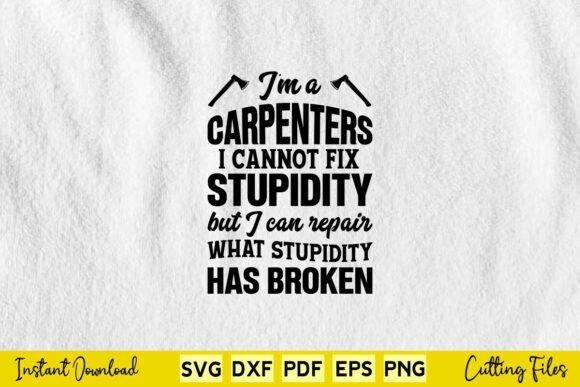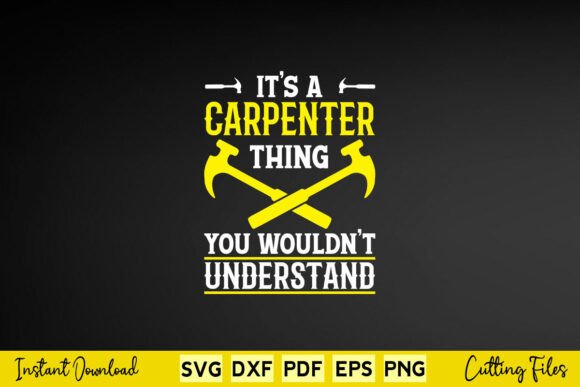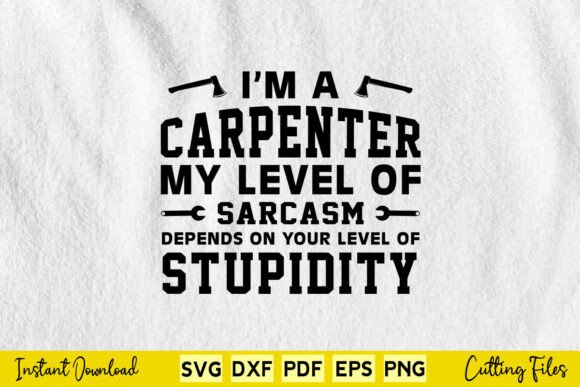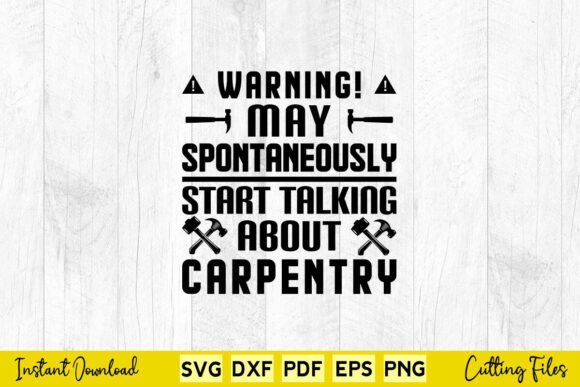
Start Talking About Carpentry Carpenter Embroidery Design
First Impressions: A Bold Statement in Craft
When I first opened the Start Talking About Carpentry Carpenter SVG file, I was immediately struck by its bold and confident visual language. The design has a clear sense of purpose — it's not just an image, but a statement. The layout is clean, with well-defined shapes that suggest a strong, handcrafted identity. This kind of clarity is essential for any machine embroidery design, especially one intended for custom apparel or personalized gifts.
The theme feels right at home in a crafts context, with a visual tone that leans toward professionalism yet maintains a friendly, approachable vibe. It’s the kind of design that would sit comfortably on a handmade product like a tote bag or apron, adding character without overwhelming the fabric.
Real-Life Scenario: Customizing a Tote Bag
Let’s imagine using this design on a custom embroidered tote bag for a local hardware store. The goal is to create a branded gift that feels both practical and stylish. The Start Talking About Carpentry Carpenter design would be perfect for this scenario — it's large enough to make an impression but not so detailed that it becomes lost in the fabric.
Embroidering this on a medium-weight cotton tote would allow the stitches to show off their texture nicely. However, if I were to use it on a small hoop size or a thin fabric, I’d need to adjust the stitch density and consider using a stabilizer to prevent puckering. The design’s detail level is good, but areas with high stitch density might require testing on scrap fabric first to ensure it doesn’t become too stiff or bulky.
For craft business owners looking to add unique design assets to their inventory, this design could easily be adapted into a printed mockup for online listings or even as a digital embroidery file for commercial use. Just remember to check licensing before selling finished products.
Performance in Real Embroidery Projects
This design performs well across a range of embroidery projects. On t-shirts and sweatshirts, it adds a touch of personality without being too busy. For holiday embroidery or nursery decor, the design can be paired with complementary colors to enhance its visual appeal. When used on pillow covers or kitchen towels, the contrast between the stitching and fabric background helps it stand out.
However, there are some limitations. If you plan to use it on dark fabric, you’ll want to ensure the thread colors provide enough contrast. Also, for curved surfaces like caps or aprons, the design may require adjustments to maintain its shape and clarity.
As an Etsy seller or small shop product creator, this design can help elevate your brand’s presentation. It’s versatile enough to work on personalized gifts and commercial embroidery projects alike, making it a valuable addition to your collection of embroidery files.
Design Considerations for Embroidery Success
Before committing to a project, always test the Start Talking About Carpentry Carpenter design on scrap fabric. Check how the thread colors interact with different backgrounds, and review the stitch density to avoid overly dense areas that could affect the fabric’s drape or comfort.
Also, inspect small details — the text and outlines should remain sharp after stitching. Testing in black and white mockups can help determine how well the design will translate across various light and dark fabric backgrounds.
Using the correct stabilizer is another key step, especially when working with stretchy fabric or layered garments. And don’t forget to confirm whether the design works for both personal and commercial projects based on its license terms.
Final Thoughts: A Practical Addition to Your Embroidery Toolkit
Start Talking About Carpentry Carpenter is a solid choice for anyone looking to add a professional yet approachable touch to their embroidery project. Whether you're creating handmade product lines, custom apparel, or gift items, this design brings a clear message and visual presence to your work.
It’s not perfect for every situation — like all applique designs, it requires thoughtful planning and preparation. But when used correctly, it can significantly boost the visual appeal of your finished product and help build customer trust through consistent quality and presentation.
If you're an embroidery designer, crafts enthusiast, or creative entrepreneur, this design is worth considering for your next project. Just take the time to understand its strengths and limitations — and always test before you commit.